
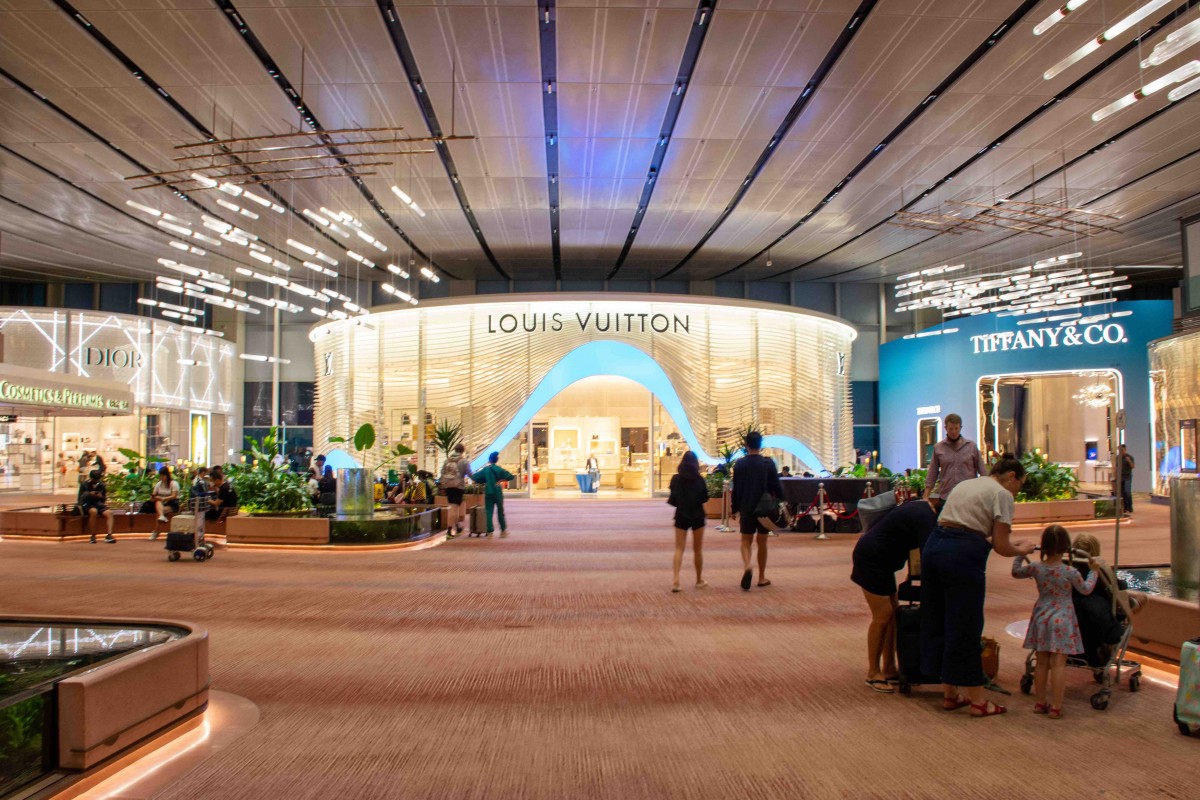
Luxury retail has entered a new era, where boutiques are no longer merely places to shop but destinations for immersive, theatrical experiences. This phenomenon, often termed “Disneyfication,” draws inspiration from the enchanting world of theme parks, where every element is meticulously designed to create a captivating narrative. While this strategy undoubtedly elevates customer engagement, it also raises critical questions about maintaining the essence of luxury.
Historically, luxury boutiques were sanctuaries of understated elegance, where the product took centre stage. Brands like Bottega Veneta championed this minimalist philosophy, ensuring that craftsmanship and exclusivity spoke louder than any decoration. Yet, the winds of change have brought a new narrative, one where the shopping experience itself becomes a key attraction.
Historically, luxury boutiques were sanctuaries of understated elegance, where the product took centre stage…Yet, the winds of change have brought a new narrative, one where the shopping experience itself becomes a key attraction
Louis Vuitton has been at the forefront of this trend, with stores that double as cultural landmarks. Beyond its high-profile collaborations, such as with artist Yayoi Kusama, Louis Vuitton has embraced Disneyfication in travel retail environments, particularly in airports. Iconic examples include their stores at Istanbul and Singapore Changi airports, where external digital walls mesmerise travellers with hypnotic, ever-changing visuals. These installations are not just facades—they are designed to stop passengers in their tracks, turning transit spaces into moments of brand immersion.
Similarly, many other brands are experimenting with pop-ups and innovative design concepts that appeal to a generation eager for Instagram-worthy experiences. In travel retail, where time is limited and distractions abound, such strategies are particularly effective in grabbing attention and enticing footfall.
However, this push for spectacle brings challenges. While an engaging environment can create buzz, qualities such as craftsmanship, heritage, and exclusivity, which are the roots of luxury, can easily be lost in the quest for theatricality. In some cases, these environments may even alienate the discerning traveller, who is seeking sophistication over sensory overload. There is even a risk that the brand’s offer – such as products which have long been the calling card of any luxury maison – might be overshadowed.
This push for spectacle brings challenges. While an engaging environment can create buzz, qualities such as craftsmanship, heritage, and exclusivity, which are the roots of luxury, can easily be lost in the quest for theatricality
Moreover, the pursuit of memorable customer experiences must be balanced with restraint. Over-the-top theatrics can dilute a brand’s authenticity and timeless appeal. While digital walls and immersive environments can enhance the customer journey, they should serve as complements, not replacements, to the core luxury offering.
The Disneyfication of luxury boutiques, especially in the high-stakes travel retail sector, represents both an opportunity and a challenge. It aligns with contemporary consumer desires for experiential retail but requires brands to tread carefully. The ultimate goal should be to create environments that amplify the luxury story while ensuring that the brand offer remains the star.
For travel retail, this balance is even more crucial. Airports are transient spaces, and while memorable experiences can leave a lasting impression, they must never eclipse the essence of what luxury truly represents: artistry, heritage, and unparalleled quality. By mastering this equilibrium, brands can transform travel retail into a theatre of elegance, innovation, and authenticity.
By mastering the equilibrium between creating memorable spaces and the essence of luxury, brands can transform travel retail into a theatre of elegance, innovation, and authenticity